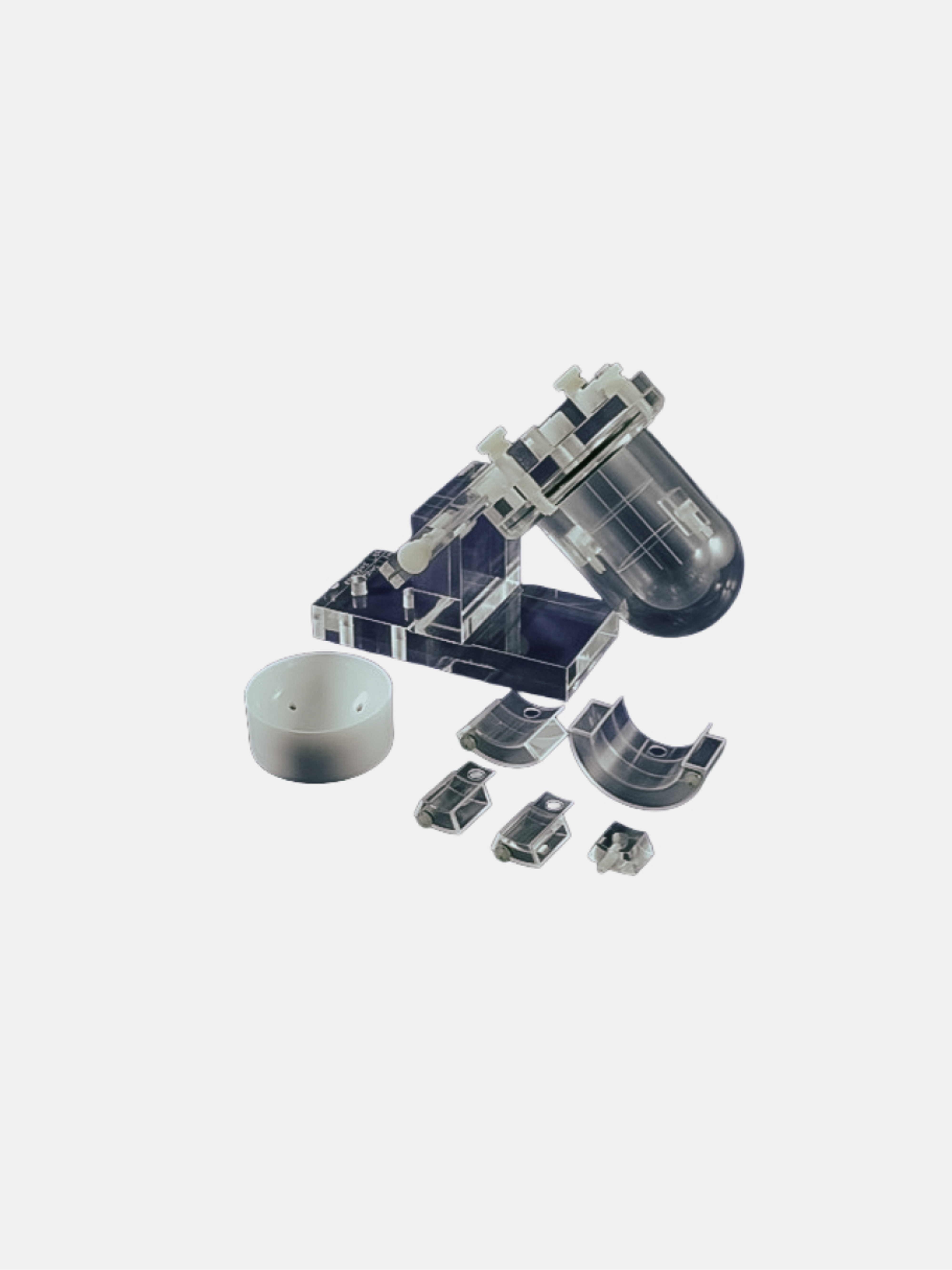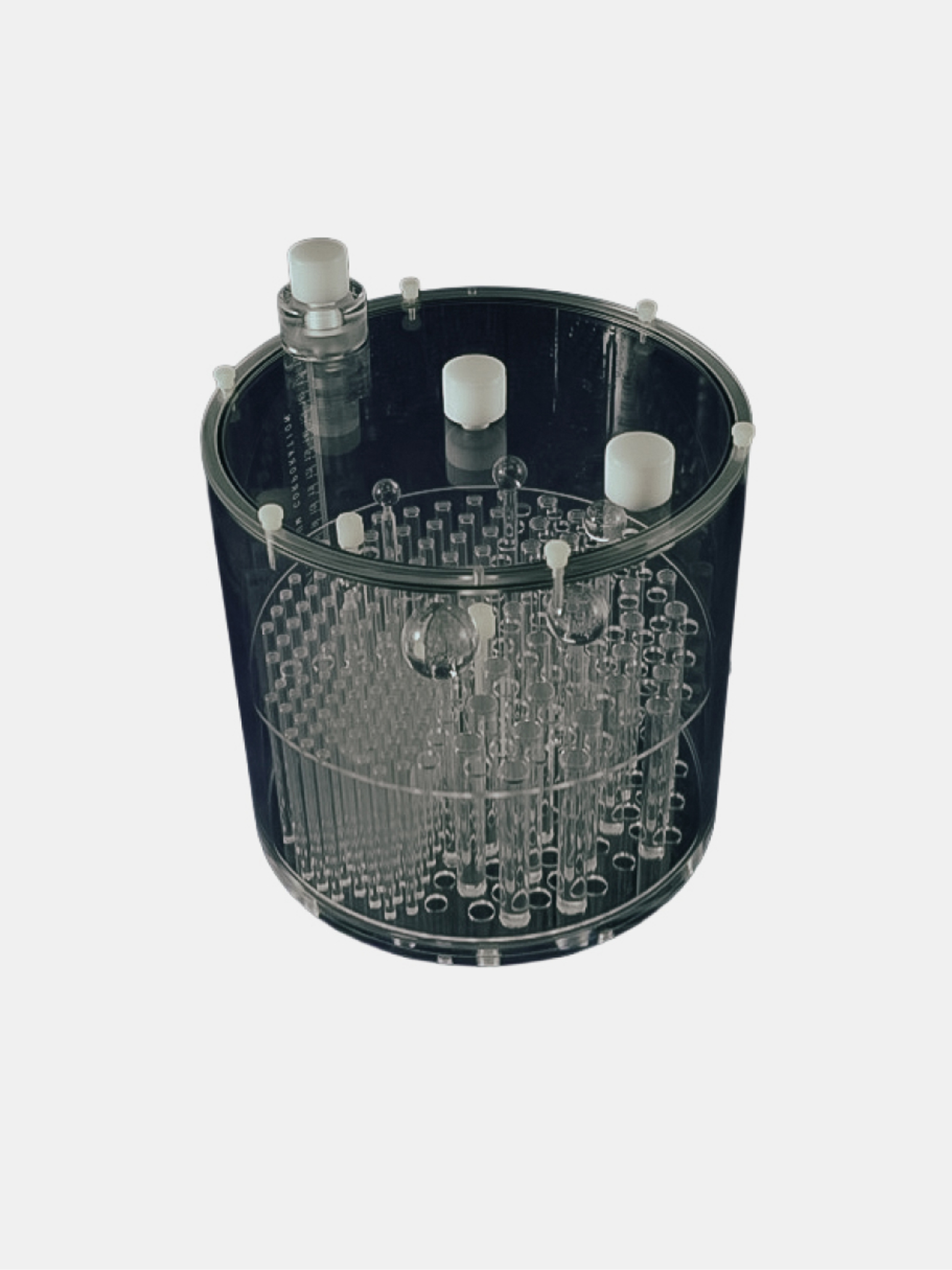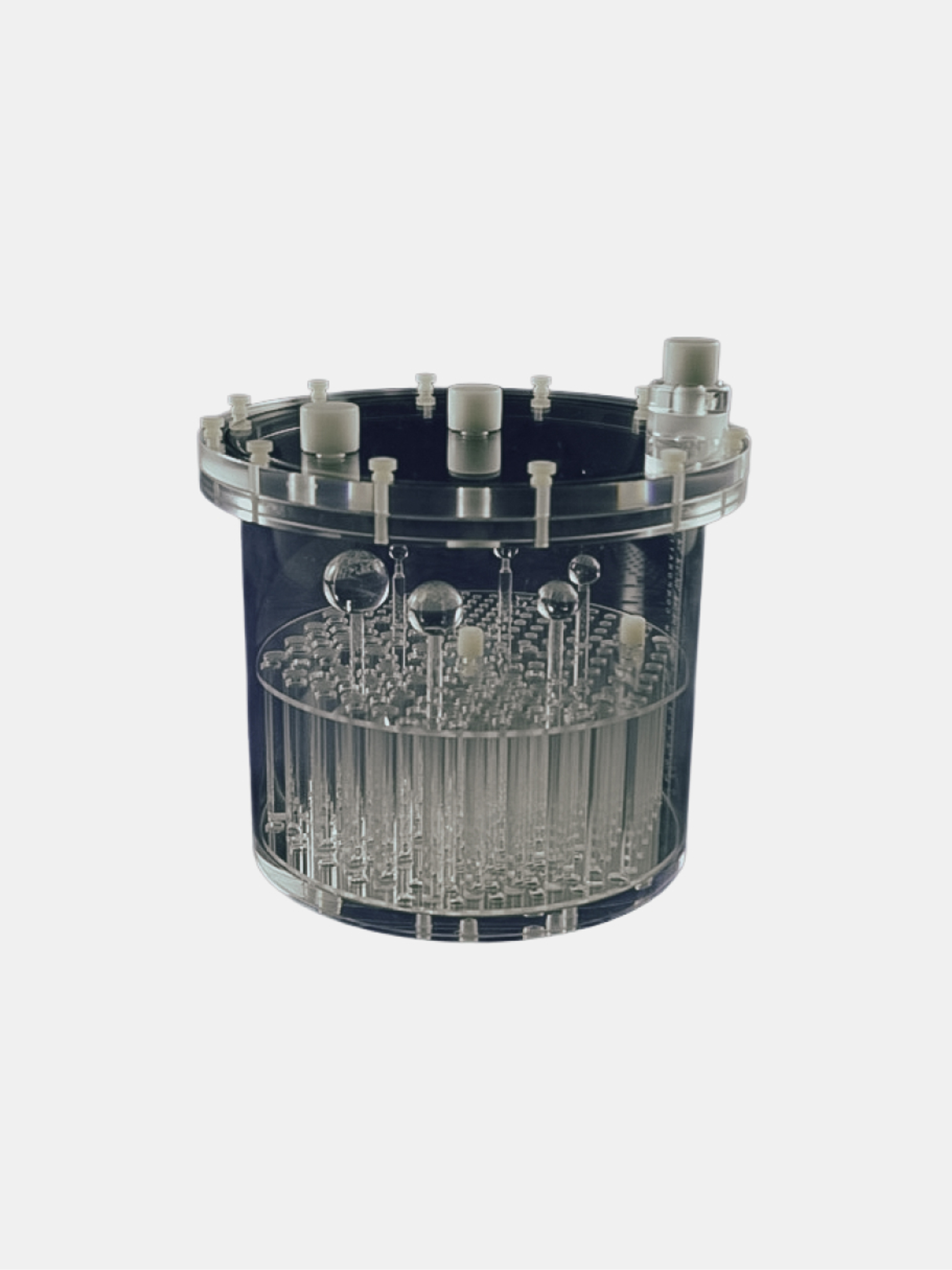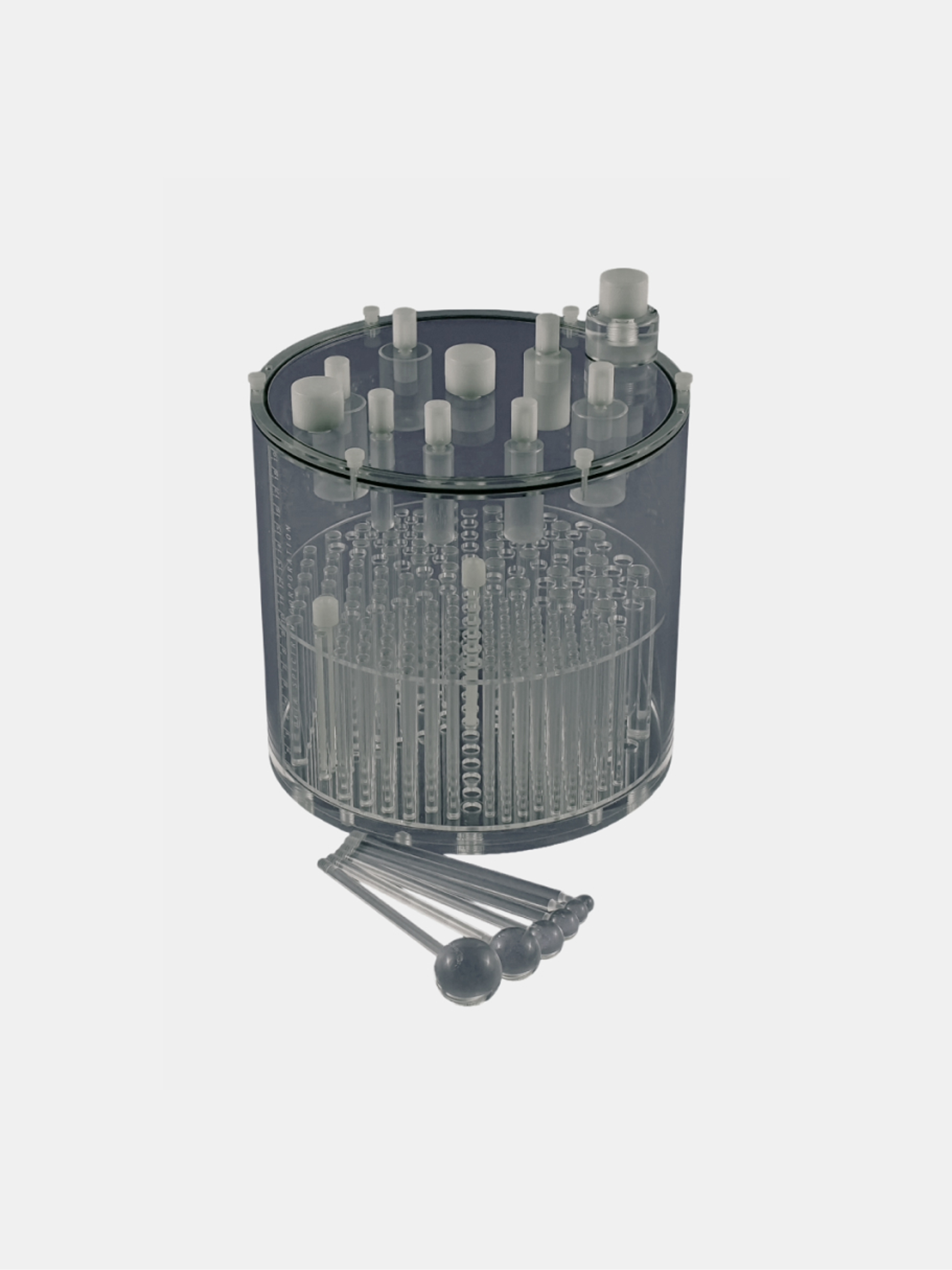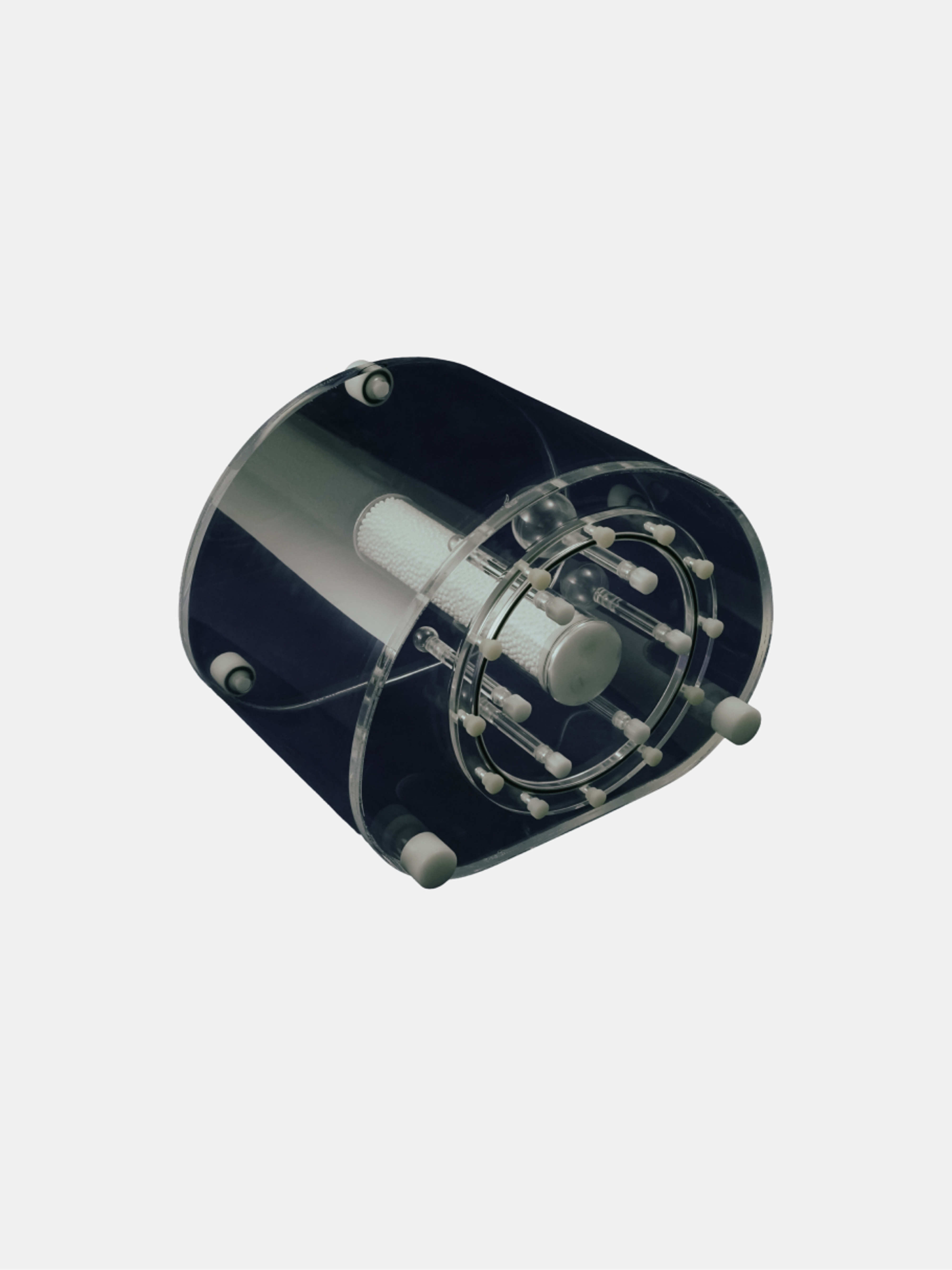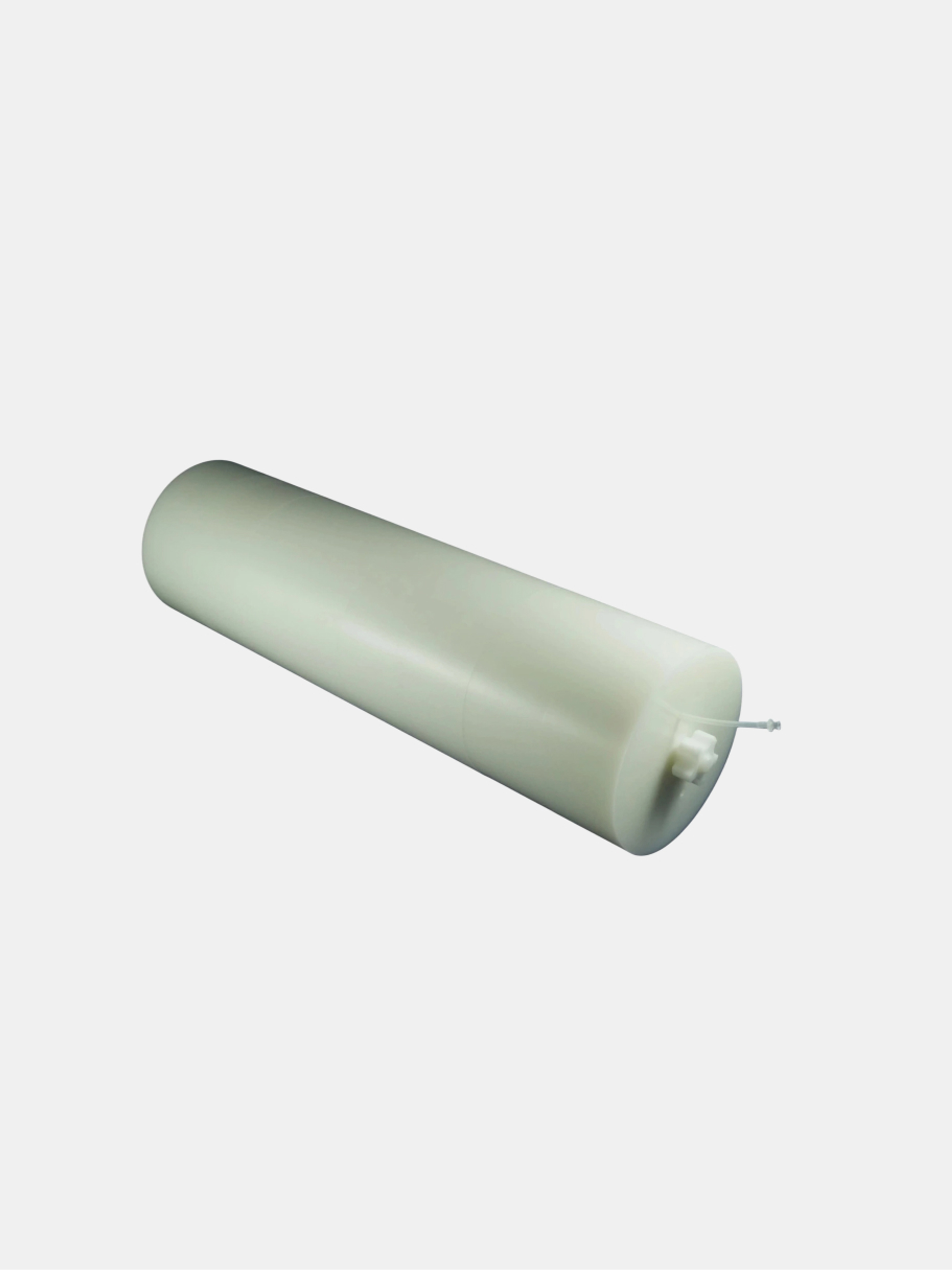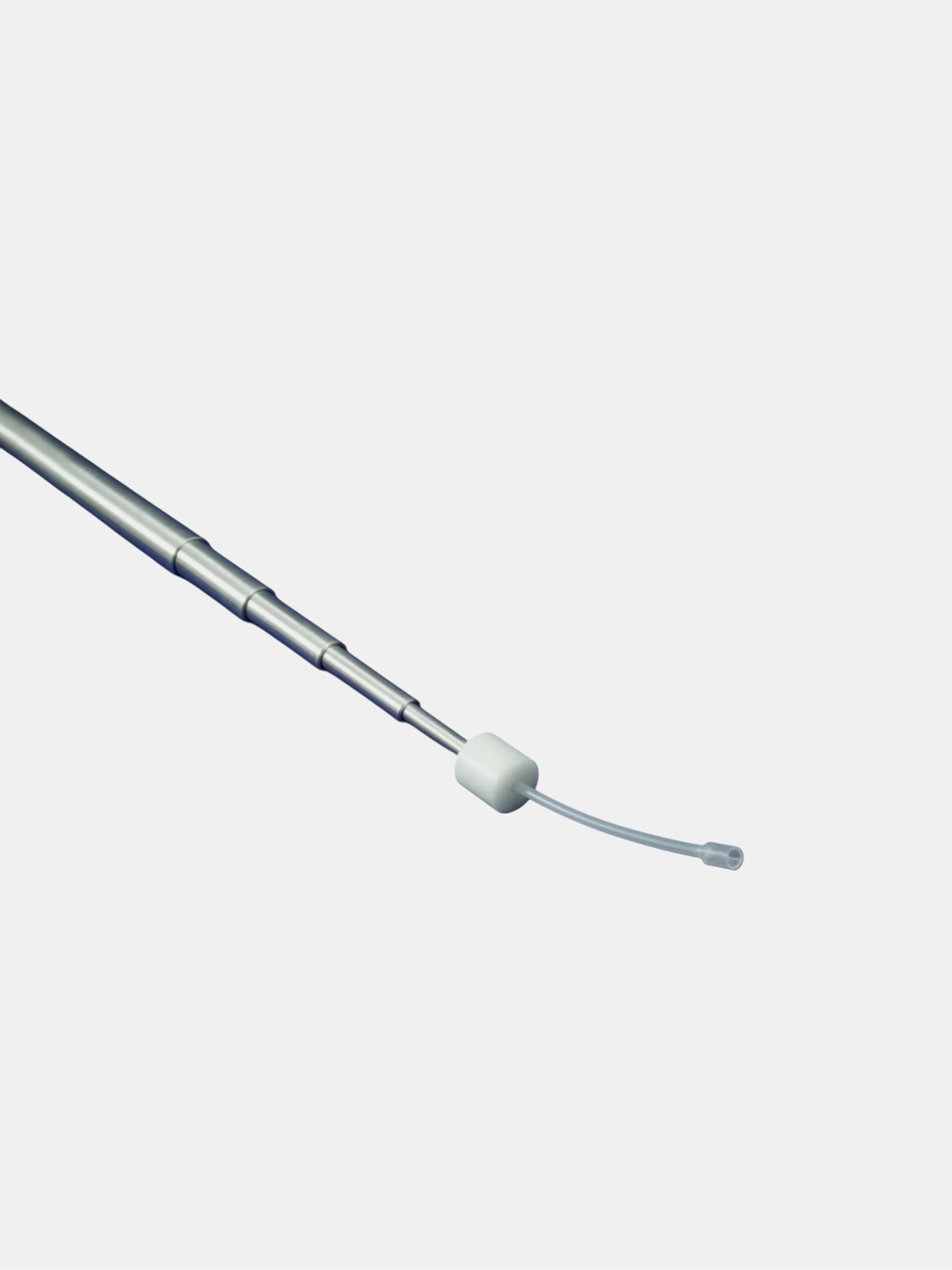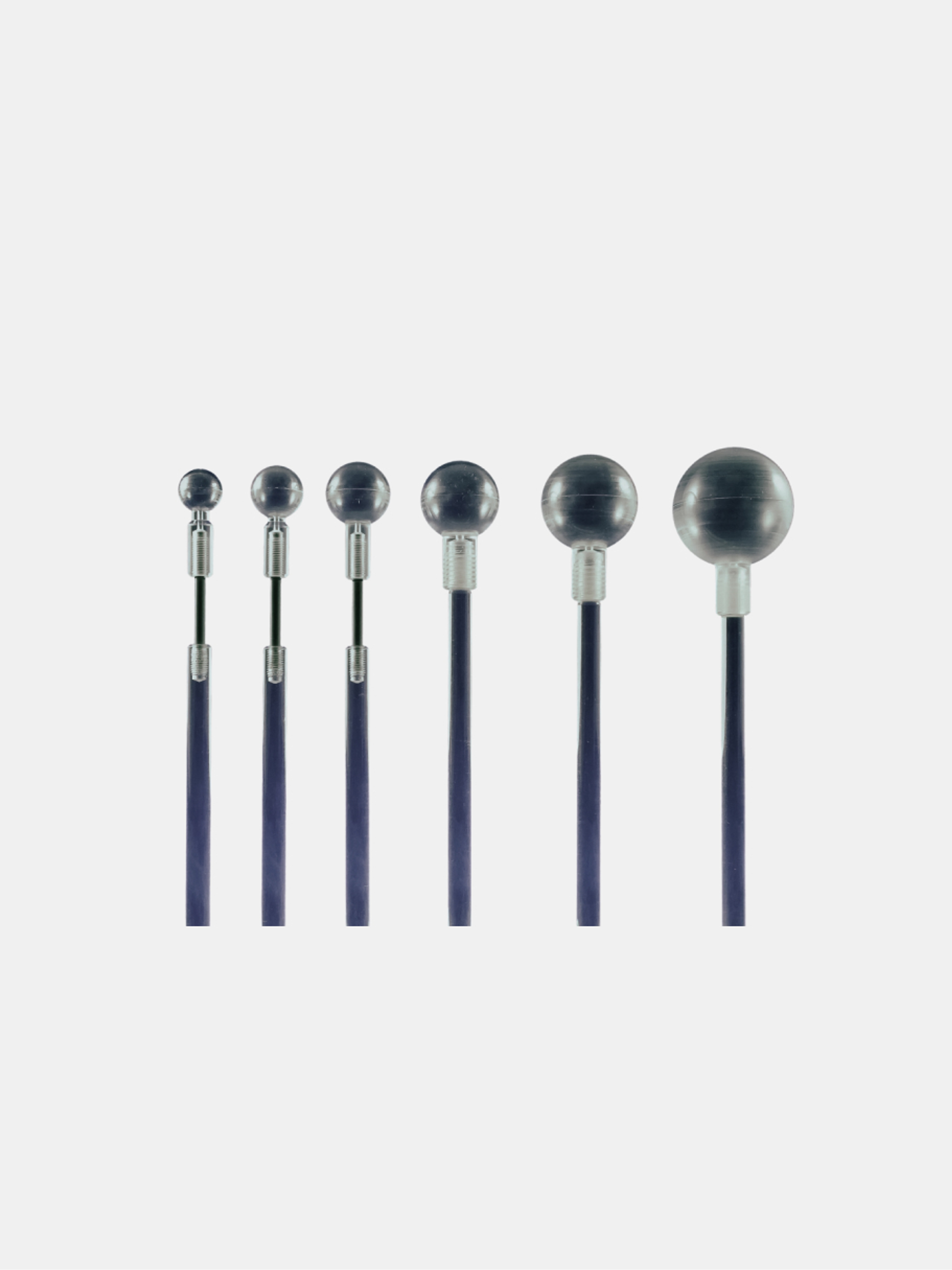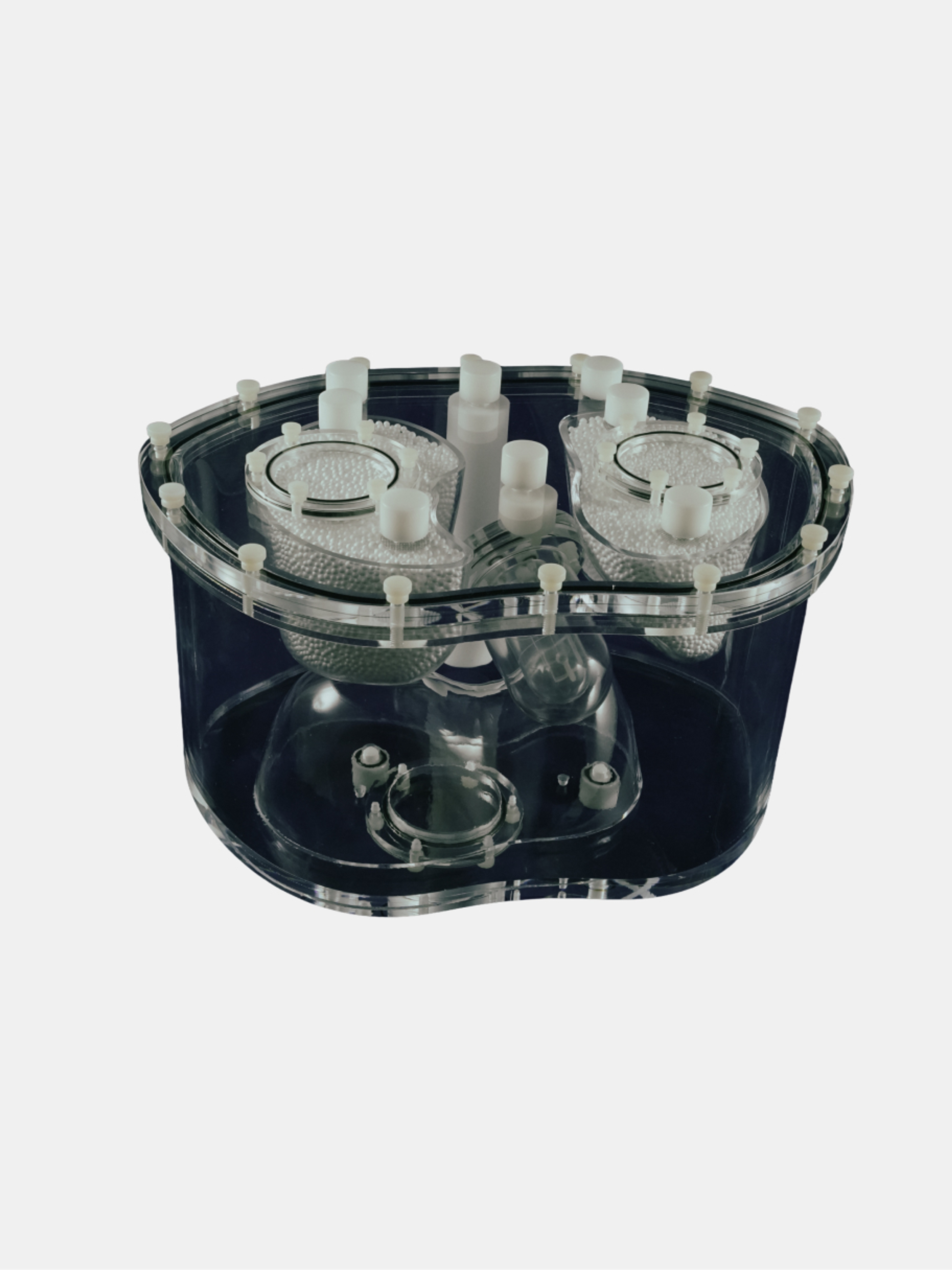
The Anthropomorphic Torso Phantom™ accurately simulates the anatomy of an average-to-large adult upper torso, including lungs, liver and spine structures.
It enables realistic testing of ECT (SPECT/CT, PET/CT) system performance under clinically representative attenuation and activity distribution conditions.
The phantom consists of a large body-shaped clear PMMA cylinder. Lung inserts may be filled with polystyrene beads and water to reproduce true pulmonary tissue density.
Optional modules include:
- Cardiac Insert (ECT/CAR/I)
- Fillable spine insert
- Liquid-bone spine insert
It is widely used for validation of reconstruction methods, attenuation/scatter correction strategies and cardiac ECT evaluation.
Main Features
- Large torso-shaped cylinder with simulated lung, liver and spine structures
- Lung inserts fillable with polystyrene beads and water
- Simulates average-to-large male/female adult torso (380 × 260 mm)
- Optional cardiac insert available
- Optional fillable spine and liquid-bone spine inserts
- Reproduces realistic anatomical and radioactive distributions
Main Applications
- Evaluation of cardiac ECT acquisition and reconstruction techniques
- Assessment of non-uniform attenuation and scatter compensation
- Quantitative reconstruction validation (SPECT/CT, PET/CT)
- Research and cross-system comparison
Specifications
- Material: Clear PMMA
- Lateral outside dimension: ~380 mm
- Lateral inside dimension: ~360 mm
- Anterior-posterior outside dimension: ~260 mm
- Anterior-posterior inside dimension: ~240 mm
- Wall thickness: ~9.5 mm
Volumes:
- Empty volume: ~13.4 liter
- Left lung (w/o Styrofoam® beads): ~ 0.9 liter
- Right lung (w/o Styrofoam® beads): ~ 1.1 liter
- Left lung (w/ Styrofoam® beads): ~ 0.36 liter
- Right lung (w/ Styrofoam® beads): ~ 0.44 liter
- Liver: ~ 1.2 liters
- Background: ~ 1.2 liters
- Cylinder with lung-spine insert: ~ 7.4 liter
Models
- ECT/TOR/P - Anthropomorphic Torso Phantom